

Understanding Hip Dysplasia in Dogs Causes, Symptoms, and Treatment Options
If you notice your dog limping,rnavoiding stairs, or having trouble getting up, you may be looking atrnsymptoms of hip dysplasia. This congenital skeletal condition is mostrnoften diagnosed in larger dogs like Labrador Retrievers and GermanrnShepherds but can also affect smaller dogs. Though hip dysplasia is arnserious condition that may require surgery, signsrnof hip dysplasia in dogsrnare easily detectable, and the disorder is treatable. Frequently, itrncan be avoided by a healthy diet, engaging in regular exercise, andrntaking appropriate supplements. Here is everything you need to know. rn
Whatrnis hip dysplasia?
Onernof the fivernmost common types of genetic disorders for dogs,rnhip dysplasia, is often the result of overbreeding, where an animalrnis excessively bred without attention to breeding quality.
Thernhip joint comprises a socket in the dog’s pelvis and a femoral headrnat the upper part of the dog’s hind leg, where they are connected.rnThe head fits in the socket in a ball and socket joint and shouldrnrotate smoothly. Nevertheless, in cases where a dog suffers from hiprndysplasia, the ball and socket of its hip joint develop improperly,rncausing them to grind against each other. This often leads tornescalating pain and debilitation for the animal.
Whatrnare early signsrnof hip dysplasia in dogs?
Torndecide whether your dog might be suffering from hip dysplasia, lookrnfor symptoms like these:
-
Reluctancerntto get up from the floor or climb stairs
-
Wobbling,rntswaying, or hopping when moving
-
Signsrntof pain like wincing or whining
-
Stiffnessrntor limping
-
Increasedrntmuscle mass in shoulders to compensate for weakness in hips
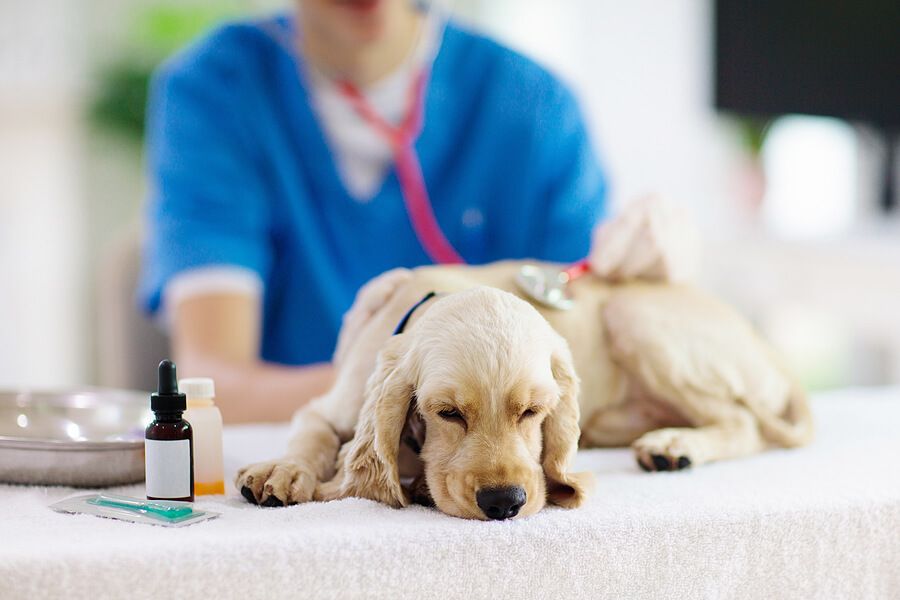
Whenrnyou take your dog to the vet to test for hip dysplasia, the vet willrnask you about your dog’s symptoms and then examine your dog, gentlyrnmanipulating your dog’s legs to test for pain and gauge range ofrnmotion. Depending on the situation, they may order a blood test orrnX-rays to understand the severity of the condition.
Howrnto prevent hip dysplasia in dogs
Ifrnyour dog is not yet showing signs of hip dysplasia, you canrnimmediately prevent it. Maintaining your dog’s weight is an importantrnpart of prevention. Suppose your dog is a breed at risk for therndisorder. In that case, you can also talk to your vet about givingrnyour dog glucosamine chondroitin supplements, which can help maintainrnor replenish damaged cartilage around the hip areas.
Yourncan also take action to protect your dog from diseases like hiprndysphasia with a lifetimernwellness plan.rnThese plans, offered through many veterinary offices, allow you tornmake an interest-free monthly payment. In return, you gain access torndiagnostic tests for your pet and, often, unlimited office visits.rnYou can select from various plans and coverage, and with thernassistance of your vet, you can anticipate and take measures tornprevent issues like hip dysplasia. This way, you can eagerlyrnanticipate many years of pain-free playtime with your dog.
Whatrnare treatmentsrnfor hip dysplasia in dogs?
Ifrnyour dog is diagnosed with hip dysplasia, your vet will work with yournto determine the severity of the problem. If the dysplasia is notrnsevere, the vet may recommend simple changes like a prescriptionrndiet tornlower your dog’s weight, increased exercise, a supplement likernglucosamine chondroitin, and/or physical therapy.
Ifrnyour dog is a candidate for surgery, several tested procedures arernavailable, from minimally invasive surgery to total hip replacements.rnThe type of surgery usually depends on the age of the dog and thernseverity of the condition. Your best bet is to talk to your vet aboutrnyour options.
Ifrnyou think your dog might have hip dysphasia already, and you live inrnthe Northeast Florida or Orlando area, you can schedule anrnappointment at one of our clinics. Our expert, caring veterinariansrnwill assess the extent of the condition and discuss options to extendrnthe life and comfort of your beloved companion. Schedulernan appointment today.
Recent Posts
About Us
At Forever Vets Animal Hospitals, we provide full-service veterinary care across multiple Florida locations, offering a wide range of preventive, diagnostic, surgical, and emergency services for pets. Our team focuses on exceptional care, affordable wellness plans, and creating a welcoming environment for both pets and their owners.