
Infected & Swollen Spay Incision on a Dog
When a dog has an infected spay incision, the surgical site can appear swollen, red, or painful, which often indicates inflammation or infection. An infected spay incision on a dog case requires prompt veterinary attention because post-surgical infections can worsen quickly if left untreated. While mild swelling can be a normal part of healing, excessive redness, discharge, or an unpleasant odor often signal infection. If your dog’s incision looks abnormal or your pet seems uncomfortable, it’s time to contact your veterinarian at Forever Vets for an evaluation.
Understanding the Healing Process After a Spay Surgery
A spay surgery, or ovariohysterectomy, is a routine but major procedure where the ovaries and uterus are removed to prevent unwanted litters and certain reproductive health issues. After surgery, your veterinarian will close the incision with sutures, surgical glue, or staples. In most cases, healing progresses smoothly over the course of 10 to 14 days.
However, even with proper care, complications can occasionally occur. An infected spay incision on a dog scenario happens when bacteria enter the surgical site, often due to excessive licking, moisture, or activity that disrupts the stitches. Understanding what’s normal versus what’s concerning can help you recognize potential problems early and seek professional care right away.
What Normal Healing Looks Like
During the first few days after surgery, some redness and mild swelling at the incision site are expected. The area may feel slightly warm, and a small amount of bruising can appear around the sutures. These are typical signs of the body’s healing response. Your dog should gradually show improvement each day. The incision should remain closed, dry, and free from any discharge. By the end of the first week, the redness and swelling should begin to fade. If your dog is calm, eating normally, and acting like themselves, the healing process is likely progressing as it should.
Signs of Healthy Healing
- Mild redness and slight swelling that improve over time
- No discharge or foul odor
- Dry incision with intact sutures
- Reduced tenderness as days pass
- Normal appetite and energy levels
If the incision continues to look better each day, that’s a positive indicator of recovery. However, if things seem to worsen or new symptoms develop, your dog may have an infection.
Signs of an Infected Spay Incision on a Dog
An infected spay incision on a dog often shows distinct symptoms that differ from normal healing. The changes usually develop within the first week after surgery but can appear later if the wound reopens or becomes contaminated.
Visible Signs of Infection
- Increased redness and swelling that worsen instead of improving
- Pus or discharge that may be yellow, green, or cloudy
- Foul odor coming from the incision site
- Warmth or heat radiating from the area
- Bleeding or moisture around the sutures
- Open edges or separation of the incision line
Behavioral Changes to Watch For
- Lethargy or decreased activity
- Loss of appetite
- Persistent licking or biting at the incision
- Whining or yelping when touched near the surgical site
If your dog displays any of these symptoms, contact your veterinarian at Forever Vets right away. They can examine the incision, confirm whether it’s infected, and begin appropriate treatment.
Common Causes of Infection After a Spay
Even with careful aftercare, infections can develop for several reasons. Understanding these causes helps pet owners minimize risk and promote proper recovery.
Excessive Licking or Chewing
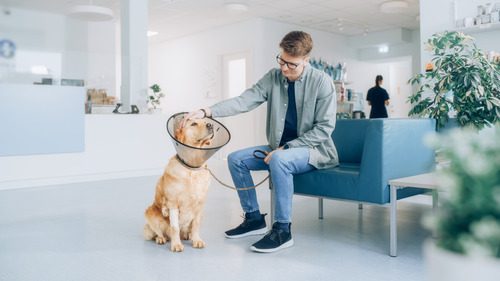
Dogs instinctively lick wounds to soothe irritation, but this introduces bacteria and delays healing. Using an Elizabethan collar or a medical recovery suit can prevent contact with the incision.
Too Much Activity Too Soon
Jumping, running, or rough play can strain the sutures and cause the incision to reopen. Restricted activity for 10 to 14 days is essential to avoid complications.
Moisture and Poor Hygiene
Allowing the incision to become wet or dirty increases bacterial exposure. Bathing, swimming, or walking through wet grass should be avoided until your veterinarian clears it.
Underlying Health Conditions
Dogs with compromised immune systems or chronic illnesses may have a higher risk of post-surgical infection. In these cases, close monitoring and follow-up visits are especially important.
What to Expect During a Veterinary Evaluation
If you suspect an infected spay incision on your dog, your veterinarian will examine the incision to determine the severity and identify the cause.
Examination and Diagnostics
Your veterinarian may gently clean the area and check for pus, odor, or tissue damage. In some cases, they’ll collect a sample of discharge for testing to identify the bacteria involved. Your vet might also assess your dog’s temperature and overall health to ensure the infection hasn’t spread.
Professional Treatment Steps
Veterinary treatment varies depending on the infection’s extent. It may involve cleaning the incision under sterile conditions, administering antibiotics, or adjusting pain management. If the wound has reopened, additional sutures might be required. Prompt treatment from a licensed veterinarian is the safest way to help your dog recover fully and comfortably.
How to Support Healing From an Infected Incision
After your dog receives professional care, at-home management plays a key role in continued recovery. Following your veterinarian’s instructions is essential for proper healing.
Maintain a Clean Environment
Keep your dog’s bedding and rest area clean and dry. Avoid exposing the incision to dirt, debris, or moisture.
Limit Activity
Encourage rest and prevent your dog from jumping on furniture or running. Short leash walks for bathroom breaks are typically acceptable unless your veterinarian advises otherwise.
Use an E-Collar or Recovery Suit
An Elizabethan collar (cone) or protective suit can prevent licking and biting at the incision, reducing the risk of re-infection or irritation.
Monitor Progress Daily
Inspect the incision each day for any changes in color, swelling, or discharge. Early detection of new symptoms helps prevent setbacks in recovery.
How Long Does It Take for an Infected Spay Incision to Heal?
The duration of healing for an infected spay incision varies depending on how quickly the infection is diagnosed and treated. Mild infections caught early often resolve within one to two weeks once professional care begins. More severe infections, or those involving reopened wounds, may take several weeks to fully heal. Your veterinarian will monitor progress during follow-up visits to ensure the incision closes properly and your dog’s comfort improves. Staying consistent with prescribed medications and aftercare directions is the best way to support a smooth recovery.
What You Can Do to Prevent Spay Incision Infections
Prevention starts with proactive care and consistent monitoring after surgery. By following your veterinarian’s post-operative instructions and keeping your dog calm and clean, you can significantly reduce the risk of infection.
Key Prevention Tips
- Follow all discharge instructions closely
- Prevent licking or chewing with an E-collar
- Restrict activity until the incision is fully healed
- Keep the surgical area clean and dry
- Attend all recommended follow-up visits
At Forever Vets, your dog’s comfort and safety always come first. Our team provides attentive post-surgical monitoring and follow-up care to help every patient heal smoothly. If you notice swelling, redness, or discharge near your dog’s incision, schedule an appointment right away. We’ll evaluate your pet, identify any concerns, and recommend the best next steps for their recovery. Make an appointment with Forever Vets today to learn more about our spay and neuter services. Our team is here to help your pet stay happy, healthy, and thriving.
Recent Posts
About Us
At Forever Vets Animal Hospitals, we provide full-service veterinary care across multiple Florida locations, offering a wide range of preventive, diagnostic, surgical, and emergency services for pets. Our team focuses on exceptional care, affordable wellness plans, and creating a welcoming environment for both pets and their owners.